
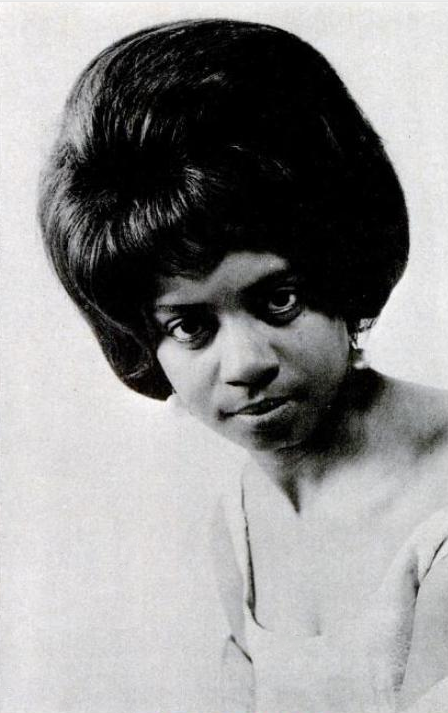
Fontella Bass makes an interesting case for why chillout should be treated as a way of listening, not a rigid genre. The broader language is cinematic and spacious composition, but the label is less useful than the way the sound handles proportion. I am interested in whether the music keeps its character when the volume drops, because that is where supposedly relaxing music often reveals how little is actually going on.
At headphone level, the arrangement becomes less about genre and more about touch. I hear orchestral colour, restrained dynamics and melodic fragments that suggest a scene without dictating one. The arrangement breathes because the individual parts are not all trying to prove their importance at once. I find myself listening past the obvious centre of Fontella Bass and toward the edges of the mix, because those edges usually tell you how carefully the atmosphere has been built.
Rhythm is where the music avoids becoming merely decorative. The pulse can be implied rather than stated, which gives the listener room to set their own pace. For a chillout sequence, that kind of controlled motion is more valuable than simple slowness. In a mixed sequence, Fontella Bass can supply movement without breaking the spell, which is a harder curatorial trick than simply choosing another slow song.
Fontella Bass makes the strongest case for itself when the arrangement trusts the listener enough to leave a little space unresolved.
For me, the most persuasive quality is a mood that feels widescreen but intimate. This is where subjective listening matters. Another person may hear background, while I hear the emotional usefulness of restraint, the way a small change can carry more weight because the arrangement is not crowded. The emotional pull of Fontella Bass comes from suggestion rather than explanation, at least in the moments I respond to most strongly.
I can imagine this working especially well during any moment that benefits from a little extra sense of space. The point is not that the music disappears. It changes the pressure in the room. Conversation feels less exposed, silence feels less awkward, and the listener can move between attention and daydreaming without losing the thread. That kind of contextual flexibility is one of the reasons I think Fontella Bass belongs in conversations about contemporary laidback listening.
The interesting part is where the formula could fail. The most effective arrangements know when not to resolve. A held note or an unfinished cadence can be more moving than another grand peak. A chillout playlist needs contrast, and the slightly difficult moments can be the details that stop the whole thing becoming beige. I do not want Fontella Bass sanded down to fit an imaginary lounge. The interesting material is usually the material that retains some stubbornness.
This is why I would keep Fontella Bass in the CHILLSKY orbit. There is enough identity to make active listening worthwhile and enough space to let the music coexist with the rest of the evening. That is the sweet spot I look for in chillout and laidback music. That is enough for me. Fontella Bass can change the atmosphere without pretending the atmosphere is the whole point.