
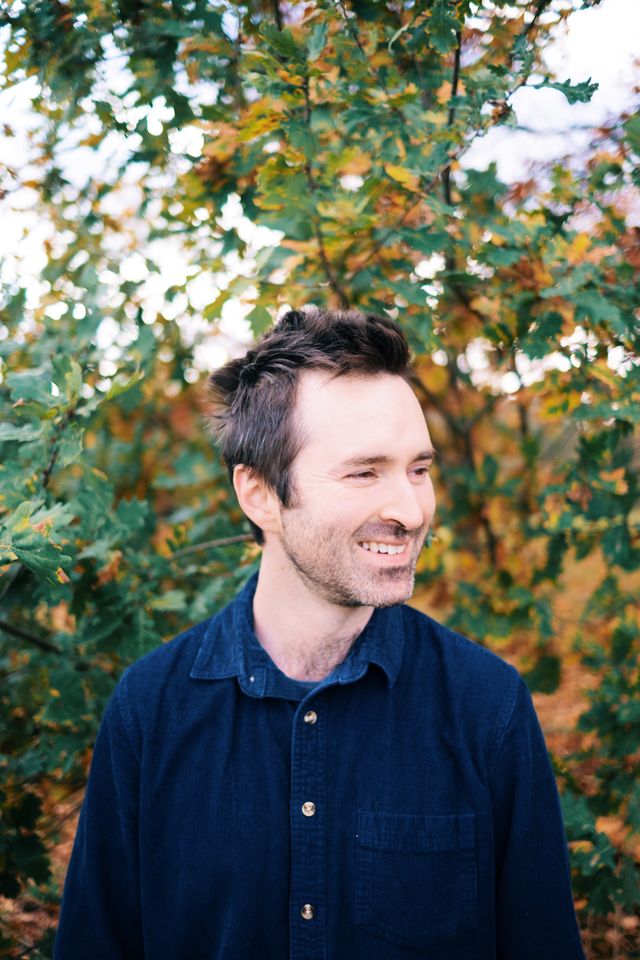
I keep coming back to Tom Rosenthal when I want music that can sit in the room without flattening the room. You can hear the connection to acoustic downtempo and indie folk, although the attraction is really in how the elements are balanced. I want a sense of place, not just a lower BPM, and the better moments here understand that difference.
Texture is where the personality really starts to show. What stands out is close vocals, fingerpicked detail, room tone and acoustic instruments allowed to keep their natural edges. That combination gives the music enough detail to reward close listening, while still allowing it to soften the edges of a room. I find myself listening past the obvious centre of Tom Rosenthal and toward the edges of the mix, because those edges usually tell you how carefully the atmosphere has been built.
The laidback quality really comes into focus when you listen to how time is handled. Even without a pronounced beat, the phrasing creates its own internal rhythm. It keeps the track alive at conversational volume and gives the atmosphere a backbone. I would rather hear Tom Rosenthal hold a groove for a few extra bars than rush toward a payoff that the track does not need.
Tom Rosenthal makes the strongest case for itself when the arrangement trusts the listener enough to leave a little space unresolved.
There is a recurring emotional atmosphere that I would describe as hushed and reflective. The best moments do not dictate a feeling. They make room for one, which is a very different thing from simply sounding mellow. With Tom Rosenthal, I am less interested in a single prescribed feeling than in how the sound changes depending on what sort of day I bring to it.
I can imagine this working especially well during a long walk away from traffic. Placed carefully in a playlist, the artist can act as a bridge between more ambient material and songs with a clearer vocal or rhythmic centre. Put Tom Rosenthal beside something more ambient and the song element becomes clearer; place it after something busier and the space inside the arrangement suddenly feels generous.
I do have one reservation. Minimal arrangements expose everything. If the song underneath is not strong, no amount of reverb can save it, which is why the most convincing moments feel so satisfying. That tension is useful rather than fatal. It gives me something to argue with, and music worth returning to usually benefits from a little resistance. If anything, I would encourage a curator to keep the stranger or heavier side of Tom Rosenthal in the mix. Too much smoothing-out defeats the reason the artist was interesting in the first place.
In the end, Tom Rosenthal works for me because the music can lower the temperature without lowering the level of attention. I like music that changes a room subtly rather than announcing a lifestyle, and this does that. It can be companionable, immersive or quietly unsettling depending on what you bring to it. I would file Tom Rosenthal under music for unhurried attention, which is a much broader and more useful category than chillout alone.