
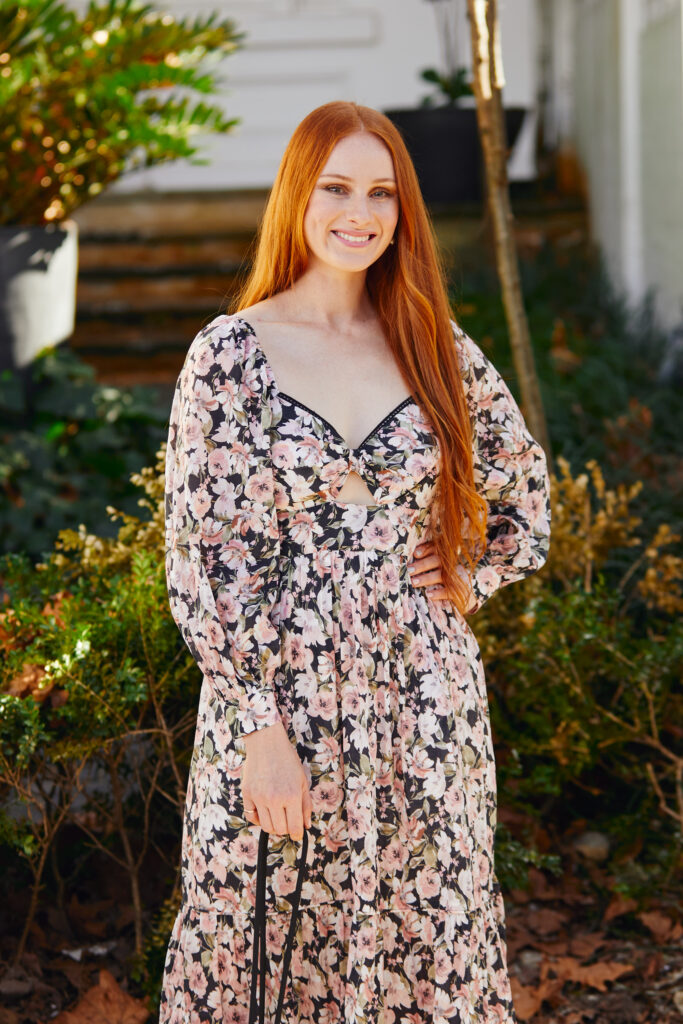
There is a point late in the day when volume matters less than atmosphere, and Vera Blue tends to make sense in that space. The broader language is atmospheric pop and songwriting, but the label is less useful than the way the sound handles proportion. I am interested in whether the music keeps its character when the volume drops, because that is where supposedly relaxing music often reveals how little is actually going on.
The room around the sound
The laidback quality really comes into focus when you listen to how time is handled. The tempo matters less than the sense of restraint around it. The result is a groove you can notice or ignore without the music collapsing either way. I would rather hear Vera Blue hold a groove for a few extra bars than rush toward a payoff that the track does not need.
At headphone level, the arrangement becomes less about genre and more about touch. At its best, the sound is built from songwriting first, then atmosphere: a useful balance of melody, texture and negative space. It is the sort of balance that can feel simple from a distance and increasingly deliberate as you lean in. Vera Blue benefits from that kind of attention. The music may seem immediate, but the more persuasive details tend to reveal themselves a little later.
I can imagine this working especially well during the quieter end of a dinner playlist. The point is not that the music disappears. It changes the pressure in the room. Conversation feels less exposed, silence feels less awkward, and the listener can move between attention and daydreaming without losing the thread. I would not build an entire playlist from artists who behave like Vera Blue, but that is exactly why the placement can be effective. Contrast gives the ear a fresh surface to land on.
Restraint has its own traps, of course. The obvious challenge is that pop instincts can suddenly push the arrangement into a much bigger emotional register. I do not mind that lift, but in a chillout sequence it works best when it feels earned rather than automatic. The imperfections are often where the personality lives, especially in music designed to operate below the level of spectacle. That is the part of Vera Blue I trust most: the sense that relaxation is a by-product of good pacing, not the sole objective.
Why it stays with me
Emotionally, the temperature is warm, bruised and quietly dramatic. I do not need chillout music to be cheerful or even comforting. In fact, a trace of melancholy or uncertainty often gives the space around the notes more meaning. Vera Blue is most convincing to me when the emotion stays slightly unresolved. That ambiguity leaves the listener some work to do.
The reason I would return to Vera Blue in a downtempo mood is less about BPM than character. For me, the strongest downtempo listening is not about escape from feeling. It is about creating enough room to notice feeling, and this artist repeatedly points in that direction. That is enough for me. Vera Blue can change the atmosphere without pretending the atmosphere is the whole point.